
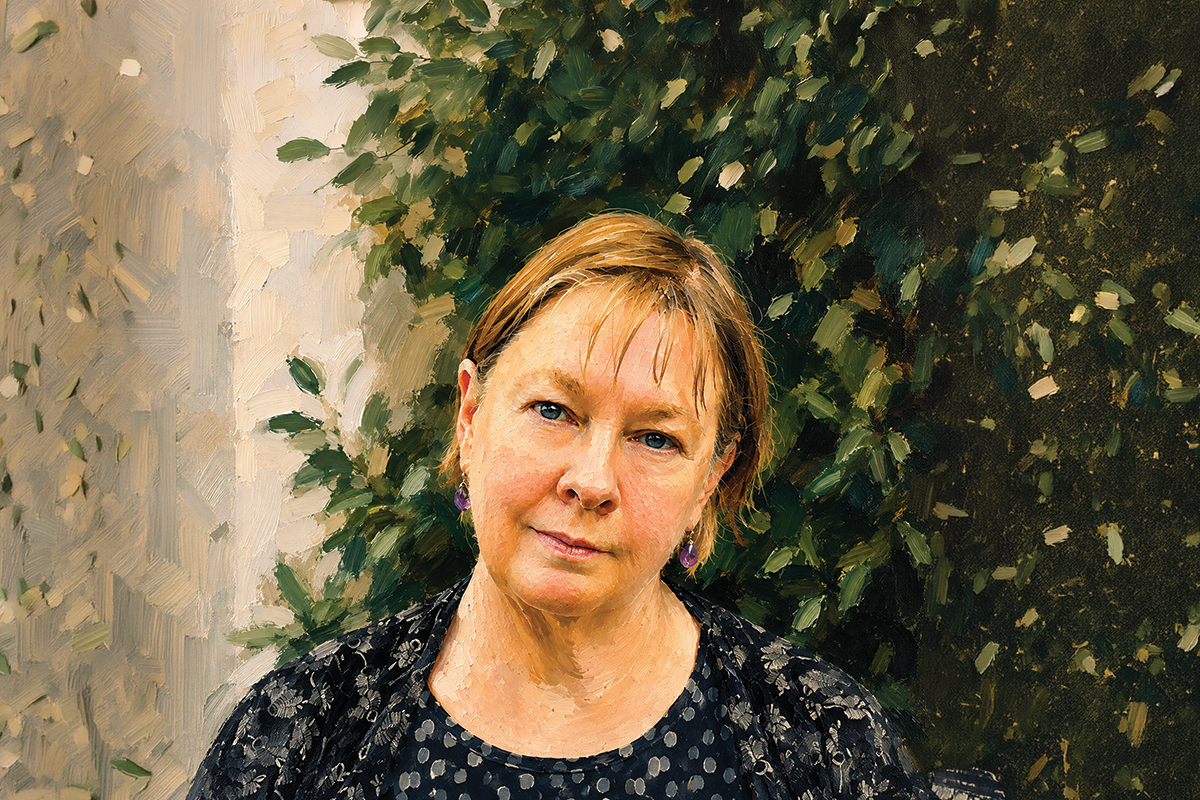
Historian Jane Stevenson’s work on Urbino, Siena and overlooked women challenges inherited stories, showing how architecture, scholarship and cultural memory can preserve the ambitions of those who shaped the past.
Historic cities can feel like direct encounters with the past. Jane Stevenson’s research asks visitors to consider a further possibility: the place before them may also be an argument about who deserved power and how that power should be remembered. Her work on Renaissance Italy connects cultural beauty with the careful construction of reputation.
Looking Behind the Ducal Image
Stevenson’s interest in Federico da Montefeltro began with his second wife, Battista Sforza. Battista’s education and the authority entrusted to her while Federico was away suggested a political partnership worth examining. Following that thread led Stevenson towards the palace, art and public image associated with Urbino.
In her interpretation, those achievements were not simply expressions of taste. Architecture, commissioned histories and artistic patronage helped establish legitimacy and support a dynastic future. The polished narrative surrounding a ruler could make a complicated political position appear natural and enduring.
A City Is Also a Story
Her work on Siena offers a related perspective. After losing its independence, the city invested in the memory of its earlier achievements. What visitors experience as medieval continuity can therefore include later decisions about how the medieval city should be presented.
This approach does not diminish the value of travelling to historic places. It makes the encounter richer by encouraging questions about who selected the surviving story and whose experiences remain less visible. Buildings and artworks become evidence to interpret rather than scenery alone.
Recovering the People Left Outside
Stevenson’s research into women writing Latin poetry demonstrates what can happen when an inherited assumption is tested. Faced with the suggestion that such writers did not exist, she pursued the evidence. A decade of work uncovered approximately three hundred women poets and many individual lives that had received little attention.
Her method brings together archival research and narrative discipline. Letters, chronicles, images and material remains can reveal character, but a difficult discovery still needs a reason to appear in a readable book. For readers interested in culture and international affairs, her work offers a useful habit: admire the story a place tells, then ask what lies behind it and who has been left out.
Source: DipTalk. Adapted from the original interview published by Mosaic Digest. Image from the original Mosaic Digest feature.