
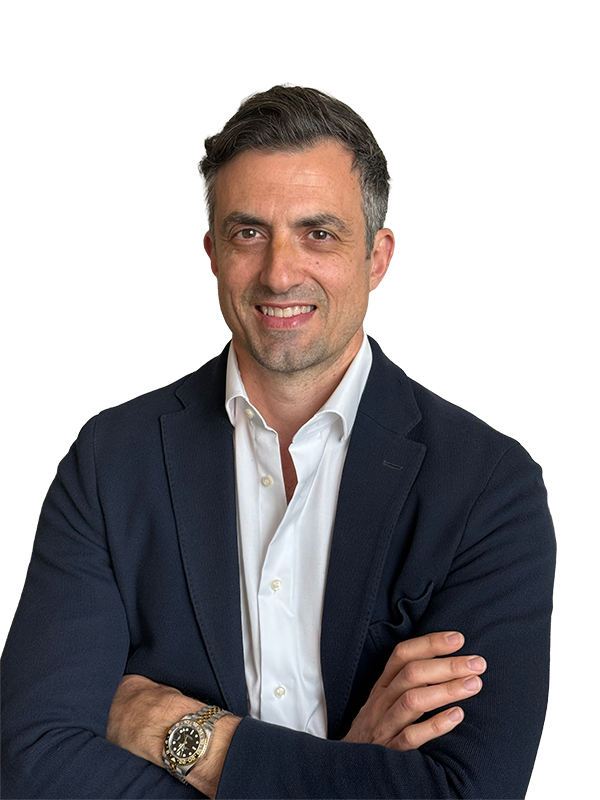
PistonDAO co-founder Emanuel Georgouras describes how governance, provenance and professional stewardship shape his approach to fractional collector-car ownership, drawing on experience in foreign exchange and precious-metals markets.
Collector cars combine cultural appeal with demanding questions about ownership and care. Emanuel Georgouras, co-founder of PistonDAO, approaches that combination through the discipline of institutional finance. His account focuses on the structures surrounding an asset: how it is selected, maintained, reported on and eventually sold.
A Different Kind of Market
Georgouras’s background in precious metals and foreign exchange shaped his attention to pricing, liquidity and capital flows. Collector cars behave differently from continuously traded financial markets. Buyers appear less predictably, and condition, documentation and provenance can make individual assets difficult to compare.
In the interview account carried by Mosaic Digest, he explains that acquisition decisions need to consider transaction history, rarity, brand position and international demand. Digital modelling can inform that work, but it does not remove the need for qualitative judgement about a particular vehicle.
Stewardship Requires Infrastructure
The model he describes seeks to combine fractional participation with centralised responsibility for secure storage, insurance, maintenance and exit planning. Those functions matter because ownership of a physical asset continues to generate obligations after a transaction has been completed.
Georgouras also describes a shift from an early decentralised-ownership concept towards an equity-based structure intended to be more familiar to participants. His emphasis is on governance and clarity: stakeholders should understand how decisions are made, how capital is allocated and how responsibility is assigned. These descriptions reflect his account of the venture rather than an independent assessment of its regulatory status.
Clarity Before Scale
His leadership framework brings together acquisition discipline, operational control and transparent capital structures. Expansion follows those foundations rather than replacing them. Technology operates behind an accessible interface, supporting reporting and analysis without making technical novelty the main proposition.
For readers following entrepreneurship, the broader story is the transfer of skills between sectors. Financial-market experience supplies a method, while automotive knowledge supplies context. Georgouras presents the relationship between the two as essential: data alone cannot explain a car’s cultural significance, and enthusiasm alone does not provide a complete system of governance and care.
Source: DipTalk. Adapted from the original interview published by Mosaic Digest. Image from the original Mosaic Digest feature.