
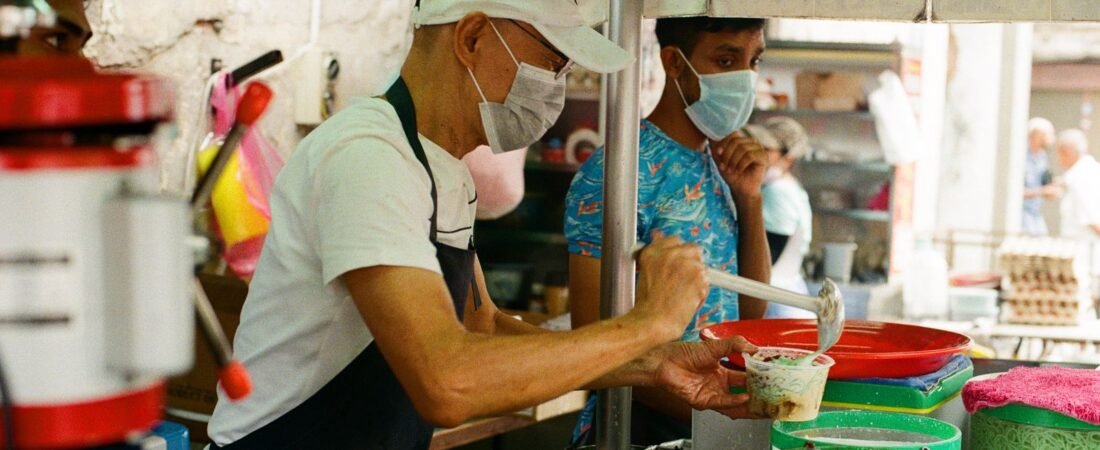
Food offers a particularly inviting introduction to Penang. A journey organised around meals can bring the visitor into contact with different neighbourhoods and businesses, while revealing why a destination’s identity cannot be reduced to a single signature dish. The pleasure lies in making connections without flattening distinct traditions into one convenient story.
Tourism Malaysia’s Penang guide presents Malay, Chinese, Indian and Nyonya cooking as part of the island’s culinary range. Dishes such as asam laksa, char koay teow and nasi kandar offer starting points for exploration. They are invitations to ask questions, rather than boxes that every visitor must tick.
Plan a day with an appetite in mind
Choose one or two food stops around the area being explored, with time between them. Ordering small portions where available makes comparison easier and avoids unnecessary waste. A celebrated stall may have a queue or a limited serving period, so keep an alternative instead of allowing a single recommendation to dictate the day.
Ask about ingredients and preparation. A food centre can contain businesses with different practices, and the status of one stall should not be assumed to apply to its neighbours. Travellers requiring halal, vegetarian or allergy-sensitive food should confirm the details directly with the individual seller.
Give Peranakan food its own attention
The official culinary guide includes Nyonya food and sweets within Penang’s wider offer. Rather than treating every colourful item as a photo opportunity, ask what it is called and how it is eaten. A café or restaurant willing to explain a menu can be more useful than an ambitious list of dishes collected online.
Photograph with consideration. Keep serving areas clear, ask before making portraits and remember that a working kitchen is not automatically open for inspection. Buying a meal supports a business; it does not create an entitlement to interrupt the people preparing it.
Let food lead into the neighbourhood
A street-food stop works well alongside a walk through George Town, but meals should not become the only lens through which the city is seen. Leave time for a museum, a local shop or a quiet pause. Confirm opening arrangements and be realistic about heat, rain and the distance covered on foot.
Penang’s shared table is best understood through particular dishes and particular people. Spending time, asking courteously and acknowledging differences can make a food holiday richer than a ranking of supposed essentials. The visitor leaves with more than a favourite plate: a better sense of the communities and skills behind it.
Plan your visit
Photograph: A street-food stall in George Town, Penang, Malaysia. Photo by Shu Takes Photo on Pexels.